
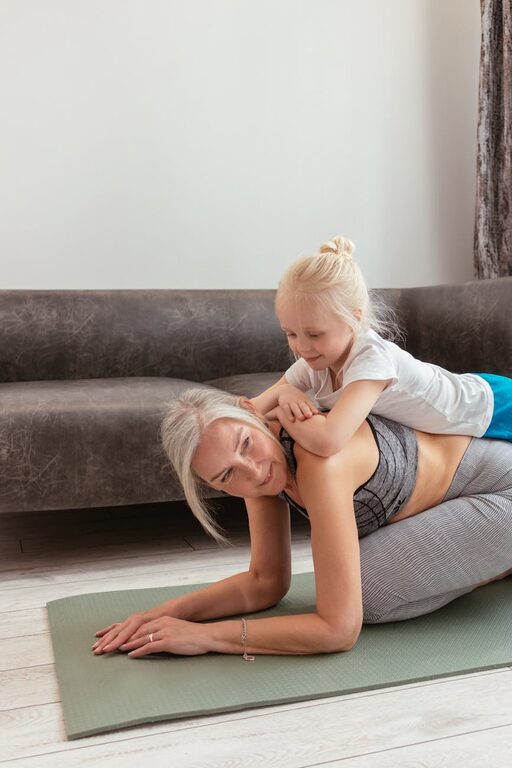
Stretching is a key part of maintaining a healthy, flexible body. Whether you’re new to exercise or looking to add a gentle routine to your day, stretching at home is a convenient way to improve mobility, reduce muscle tension, and promote relaxation. This beginner’s guide will walk you through the basics of stretching, helpful tips, and easy-to-follow routines designed for all fitness levels.
Why Stretching Matters
Stretching helps increase your range of motion, improves circulation, and can reduce the risk of injuries. It also aids in relieving muscle tightness and can contribute to better posture. Even short daily sessions can make a big difference in how your body feels and moves.
Preparing for Stretching
Before you begin, find a quiet, comfortable space where you have enough room to move freely. Wear comfortable clothing that allows stretch and movement. It’s best to stretch after a brief warm-up like walking in place or gentle arm swings to loosen your muscles slightly.
Keep These Tips in Mind:
– Breathe deeply and evenly throughout your stretches.
– Move into each stretch slowly to avoid any sudden pain.
– Hold each stretch for 20-30 seconds.
– Never stretch to the point of pain; a gentle pull or tension is enough.
– Stretch regularly, ideally daily or at least several times a week.
Basic Stretching Routine for Beginners
Here’s a simple sequence to get started with stretching at home. These stretches target major muscle groups and promote overall flexibility.
1. Neck Stretch
– Sit or stand upright.
– Slowly tilt your head to the right, bringing your ear toward your shoulder. Hold and then repeat on the left side.
– This helps relieve tension in the neck and shoulders.
2. Shoulder Rolls
– Stand or sit with your back straight.
– Roll your shoulders forward in a circular motion 10 times, then backward 10 times.
– This loosens your shoulder joints and upper back muscles.
3. Chest Stretch
– Clasp your hands behind your back and straighten your arms.
– Gently lift your arms while opening your chest and looking straight ahead. Hold the stretch.
– This counters the effects of slouching and works on shoulder flexibility.
4. Triceps Stretch
– Raise your right arm overhead.
– Bend your elbow, reaching down your back.
– Use your left hand to gently press the right elbow down. Hold, then switch arms.
– This stretch targets the triceps and shoulders.
5. Side Stretch
– Stand with your feet shoulder-width apart.
– Raise your right arm overhead and lean to the left side. Hold, then switch sides.
– This stretch improves the flexibility of your sides and torso.
6. Hamstring Stretch
– Sit on the floor with your legs stretched out in front.
– Gently reach forward toward your toes, keeping your back straight. Hold the position without bouncing.
– This helps loosen the hamstrings, which often become tight from sitting.
7. Quadriceps Stretch
– Stand and hold onto a chair or wall for balance if needed.
– Bend your right knee and bring your heel toward your buttocks.
– Hold your ankle with your right hand and keep your knees close together. Hold, then switch legs.
– This stretch works the front thighs.
8. Calf Stretch
– Stand facing a wall with your hands placed at shoulder height.
– Step your right foot back and press your heel into the floor, keeping your knee straight. Hold, then switch legs.
– This stretch targets the calves and Achilles tendons.
Tips for Staying Consistent
– Set aside 10-15 minutes each day for stretching.
– Incorporate stretching into your morning or evening routine.
– Use reminders or alarms to help build the habit.
– Combine stretching with your favorite calming music or deep breathing exercises to make it enjoyable.
– Track your progress and note improvements in flexibility or comfort.
When to Be Careful
Stretching should never cause sharp pain. If you feel discomfort, ease off or stop the stretch. If you have any existing injuries or medical conditions, consider consulting a healthcare professional before starting a new stretching routine.
Stretching Beyond the Basics
Once you feel comfortable with these beginner stretches, you might explore other types like dynamic stretching or yoga poses that promote flexibility and balance. These options can add variety and challenge as your body adapts.
Final Thoughts
Starting a stretching routine at home is a simple, low-cost way to take better care of your body. By dedicating a little time each day, you’ll likely see improvements in flexibility, reduced muscle tension, and an overall sense of wellbeing. Remember, the key is gentle, consistent practice—your body will thank you for it!
—
Feel free to share your favorite stretches or tips in the comments below. Let’s help each other stay flexible and healthy!