
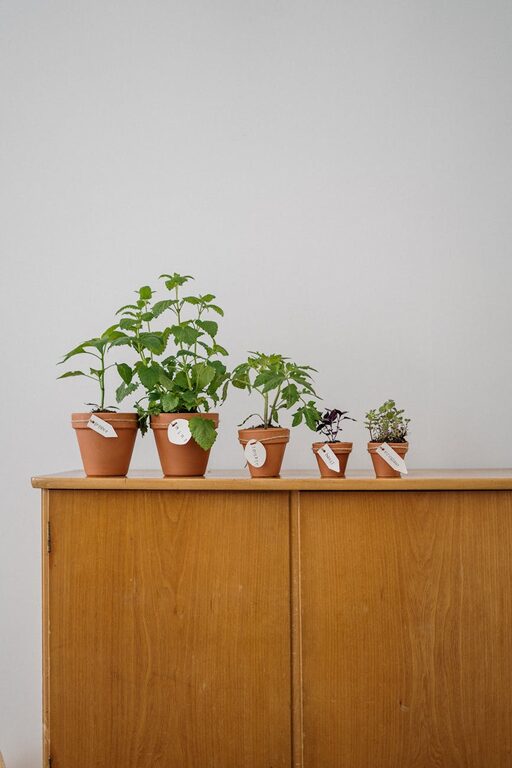
Starting a small herb garden indoors is a rewarding project that brings fresh flavors to your kitchen and beautifies your living space. Whether you have a sunny windowsill or a small corner in your apartment, growing herbs inside is easier than you might think. This guide will walk you through everything you need to know to get started.
Why Grow Herbs Indoors?
Indoor herb gardening offers several benefits:
– Fresh Herbs Year-Round: Enjoy fresh basil, thyme, parsley, or mint, regardless of the season.
– Convenience: Having herbs nearby makes cooking quicker and more enjoyable.
– Air Quality: Many herbs help purify the air and add a natural fragrance.
– Therapeutic Hobby: Gardening can reduce stress and provide a sense of accomplishment.
Choosing the Right Herbs
Not every herb thrives indoors, so it’s best to start with varieties that adapt well to indoor conditions:
– Basil: Needs plenty of light and warmth; great for Italian dishes.
– Parsley: Tolerates lower light and adds freshness to many meals.
– Mint: Grows vigorously; keep it contained as it can spread quickly.
– Chives: Require moderate light and have a mild onion flavor.
– Thyme: Prefers bright light and well-drained soil.
– Cilantro: Likes cooler temperatures and bright light but can be a bit tricky.
Consider your cooking preferences and kitchen conditions before selecting your herbs.
What You’ll Need
Here’s a basic list of supplies to get your indoor herb garden started:
– Containers: Pots with drainage holes to prevent waterlogging.
– Potting Mix: A light, well-draining soil mix designed for indoor plants.
– Seeds or Starter Plants: Seeds are affordable, but starter plants offer quicker results.
– Grow Lights (Optional): Useful if natural sunlight is limited.
– Watering Can: For gentle watering.
– Labels: To keep track of different herbs.
Finding the Perfect Spot
Herbs generally need 6-8 hours of sunlight daily. A south-facing window is ideal. If natural light is limited, consider using grow lights:
– Window Sills: Bright, sunny windows work great, especially for sun-loving herbs.
– Under Grow Lights: LED grow lights can supplement or replace sunlight.
– Avoid Drafts: Keep plants away from cold or hot air vents.
If your space gets limited natural light (less than 4 hours per day), opt for herbs that tolerate shade, like mint or parsley.
Planting Your Herb Garden
Starting from Seeds
- **Fill your containers** with potting mix, leaving about an inch from the top.
- **Moisten the soil** before planting but don’t soak it.
- **Plant seeds** based on packet instructions—usually just beneath the surface.
- **Cover lightly** with soil and gently water.
- **Maintain humidity** by covering containers with plastic wrap until seeds sprout.
- **Place containers in a warm, bright spot.**
- Choose healthy, pest-free plants from your local nursery.
- Gently loosen the roots before transplanting into your pots.
- Fill pots with soil and plant herbs at the same depth they were growing.
- Water thoroughly and place them in their designated spot.
Using Starter Plants
Caring for Your Indoor Herbs
Watering Tips
– Water when the top inch of soil feels dry.
– Avoid overwatering; soggy soil can lead to root rot.
– Use pots with drainage holes to help excess water escape.
Feeding Your Herbs
Herbs benefit from light feeding every few weeks:
– Use a balanced, water-soluble fertilizer diluted to half strength.
– Avoid over-fertilizing, which can reduce flavor intensity.
Pruning and Harvesting
Regular pruning encourages bushier growth:
– Pinch off the tips above leaf nodes.
– Harvest no more than one-third of the plant at a time.
– Use scissors to avoid damaging stems.
Watch for Pests
Keep an eye out for indoor pests like aphids or spider mites. Wiping leaves or using mild insecticidal soap can help control infestations naturally.
Troubleshooting Common Problems
– Leggy Plants: Lack of light causes tall, spindly growth. Move herbs to a sunnier spot or add grow lights.
– Yellow Leaves: Overwatering or poor drainage may be the cause.
– Slow Growth: Could indicate nutrient deficiency or insufficient light.
– Wilting: Often a sign of underwatering or root problems.
Adjust care routines as needed to keep herbs healthy.
Expanding Your Garden Over Time
Once you get comfortable with basic herbs, try experimenting with less common ones like rosemary, oregano, or lemon balm. Some herbs may require different growing conditions, so research their specific needs.
You may also want to get creative with containers:
– Recycled jars or teacups
– Vertical herb gardens on walls
– Hydroponic systems for soil-free growing
Conclusion
Starting a small herb garden indoors is an enjoyable and practical way to enhance your home and cooking. With the right herbs, containers, light, and care, you can grow flavorful, fresh herbs all year long—even in small spaces. Grab your pots and seeds today, and turn your kitchen into a green oasis!
Happy gardening!